3D Disco Ball: A Versatile Digital Design for Creative Projects
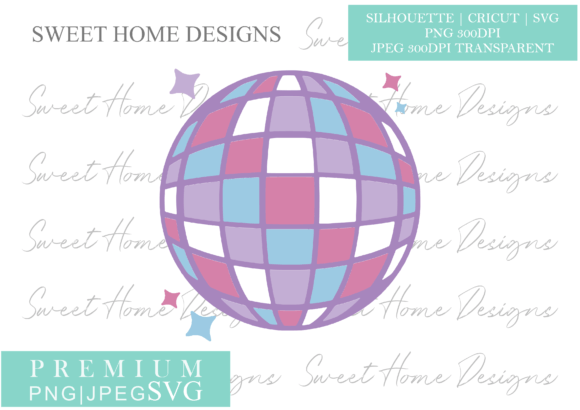
The 3D Disco Ball is a digital design that brings retro glamour and modern versatility into your creative toolkit. Whether you're designing for a baby announcement, birthday celebration, bedroom decor, or other crafting needs, this design can add a unique sparkle to your projects. Available in multiple formats like Silhouette SVG, PNG (transparent), 300 DPI JPEG, GSP, PDF, and more, the 3D Disco Ball is crafted with precision and adaptability in mind.
Understanding the Role of the 3D Disco Ball in Your Workflow
When planning a project, especially one involving visual elements, it's important to consider how each asset contributes to the overall aesthetic and functionality. The 3D Disco Ball serves as both a decorative element and a functional component, depending on the use case. Its three-dimensional appearance makes it ideal for laser cutting, while its high-resolution availability ensures crisp results when printed or used digitally.
Incorporating the 3D Disco Ball into your workflow typically involves selecting the appropriate format based on the end goal. For instance, if you're preparing materials for a laser cutter, choosing the Silhouette SVG or GSP file will provide the best structure for accurate cutting. On the other hand, if you're working on digital content such as social media graphics or website headers, the transparent PNG or high-quality JPEG options are preferable for seamless integration.
Use Cases Across Different Industries and Personal Projects
One of the standout features of the 3D Disco Ball is its broad range of applications. Here’s how it can be used effectively across various scenarios:
- Baby Announcements: Use the design as a background element or cut-out decoration to highlight a milestone in a fun and stylish way.
- Birthday Invitations and Decor: Incorporate the disco ball into invitations, banners, or party decorations to create a vibrant and celebratory theme.
- Bedroom Decor: Laser-cut versions of the 3D Disco Ball can be painted and hung as wall art, or used as part of a DIY light fixture for a trendy look.
- Cards and Stationery: Add the design to greeting cards, thank-you notes, or custom stationery to give them an eye-catching finish.
- Sublimation Projects: Print the image onto sublimation paper and transfer it to mugs, t-shirts, or tumblers for personalized gifts.
- General Crafting: From scrapbooking to home decor, the design offers endless possibilities for adding a touch of personality and flair.
Before You Start: Preparation Tips
Before integrating the 3D Disco Ball into your project, take time to assess your tools and goals. If you're using it for laser cutting, ensure your software supports the chosen file type—SVG and GSP are commonly compatible with Silhouette and Cricut machines. For print-based uses, confirm that your printer settings match the resolution of the image (e.g., 300 DPI) to maintain quality.
Also, consider color preferences and how the design will interact with other elements in your layout. Since the design has a reflective, geometric feel, it pairs well with bold fonts, metallic accents, and contrasting colors. Planning these details upfront helps streamline execution and avoids rework later in the process.
Durability and Compatibility in Production
When using the 3D Disco Ball in physical production methods like laser cutting, compatibility with materials is key. This design works well on surfaces such as wood, acrylic, foam board, and cardstock. The layered structure of the SVG/GSP files allows for precise alignment and depth control, which is essential when creating multi-layered or raised designs.
If you're printing the design, always verify the color profile and file dimensions before sending it to the printer. The 300 DPI JPEG and PNG files are optimized for clarity, but improper scaling can lead to pixelation. Using the PDF version also ensures consistent formatting across different devices and platforms.
How to Integrate the 3D Disco Ball into Your Projects
Here are some practical ways to integrate the 3D Disco Ball into your work or personal projects:
- Design Phase: Import the SVG or GSP file into your preferred design software. Adjust the size and layering to fit your vision. Use it as a central motif or a supporting detail.
- Prototyping: Create a mock-up using the transparent PNG or JPEG to visualize how the design will appear in context. This is particularly useful for web designers or event planners.
- Production: Export the final design in the required format. If laser cutting, make sure to set the correct line weights and material thicknesses in your machine's software.
- Finishing Touches: After cutting or printing, apply paint, glitter, or other embellishments to enhance the reflective qualities of the disco ball.
For educators or bloggers, the 3D Disco Ball can serve as a thematic centerpiece during lessons on geometry, symmetry, or even history (retro culture). It adds an engaging visual component without complicating the core message.
Collaboration and Cross-Platform Integration
Working with others? The 3D Disco Ball is easy to share and collaborate on. Because it’s available in common file types, team members using different software can still contribute effectively. For example:
- Share the SVG file with a colleague who uses Silhouette Studio for editing and cutting.
- Send the PNG to a graphic designer for overlaying text or images in Photoshop or Canva.
- Provide the PDF to someone handling print production to ensure layout accuracy.
This cross-platform usability makes the design ideal for group projects or freelance collaborations where consistency and ease of use are crucial.
Quality Control and Long-Term Use
Maintaining the quality of your output is essential, especially if you're producing items for resale or professional events. When working with the 3D Disco Ball, pay close attention to the following:
- Resolution: Always use the highest resolution file (like the 300 DPI JPEG or PNG) for printed materials to avoid blurry or low-quality prints.
- Layer Accuracy: In vector formats, check that all layers are properly grouped and named for easier manipulation and cutting.
- File Integrity: Save and back up your modified versions so you can reuse or tweak them for future projects.
Over time, the design can become a signature element in your portfolio or brand. Reusing the same motif across different campaigns or product lines creates a sense of cohesion and professionalism. Just remember to store your edited files in an organized folder system, perhaps categorized by use case or date, for easy retrieval.
Combining with Other Assets
While the 3D Disco Ball is striking on its own, combining it with other digital assets enhances its impact. Think about how it could complement other shapes, logos, or typography. For example:
- Pair it with floral patterns or daisies for a whimsical contrast.
- Use it alongside neon signs or starbursts for a full retro vibe.
- Overlay it with handwritten text or monogrammed letters for a personalized effect.
Using design templates that already include space for such motifs can speed up your workflow significantly. Many platforms offer pre-made layouts that let you simply drop in the SVG or PNG version of the 3D Disco Ball for a polished result.
Efficiency and Organization in Implementation
Time is often a constraint for professionals and hobbyists alike. The 3D Disco Ball helps streamline your design process by offering ready-to-use files in multiple formats. This eliminates the need to recreate similar effects from scratch, allowing you to focus on other aspects of your project.
To maximize efficiency, build a library of favorite designs like the 3D Disco Ball. Label them clearly with their intended use and note any specific settings you used during past projects. This practice not only saves time but also improves consistency across your outputs.
Additionally, keep track of which file types perform best for each task. Some may prefer the GSP format for laser cutting due to its structured layers, while others might find the PDF more convenient for direct printing. Documenting these insights helps refine your workflow over time.
Real-World Examples of the 3D Disco Ball in Action
Let’s explore a few real-world examples of how the 3D Disco Ball can be applied:
- Event Planner: You’re designing a New Year’s Eve party package. The 3D Disco Ball becomes the focal point of invitations, table centerpieces, and signage. By using the SVG format, you can easily adjust the size for different mediums like posters and coasters.
- Small Business Owner: Creating branded merchandise for a boutique. You laser-cut the 3D Disco Ball onto acrylic tags and pair them with sublimated t-shirts and mugs featuring the same design. This reinforces brand identity through cohesive visuals.
- Hobbyist: Making a custom nursery mobile. You cut the design out of lightweight wood, paint it gold, and hang it with soft LED lights. The result is a playful yet elegant piece that draws attention to the room’s theme.
Choosing the Right Format for Your Needs
With several file formats available, knowing which one suits your purpose is key. Here’s a quick breakdown:
- Silhouette SVG / GSP: Best for laser cutting and detailed editing within Silhouette or compatible software.
- Transparent PNG: Ideal for overlays, digital graphics, and social media posts where a clean background is needed.
- 300 DPI JPEG: Suitable for most print jobs where transparency isn’t necessary but high resolution is critical.
- PDF: Perfect for maintaining layout integrity when sharing or printing, especially for multi-page documents or packaging.
Consider the platform or medium you'll be using it on. If you're unsure, start with the SVG or PDF versions—they tend to be the most universally adaptable. Always test the design at scale before committing to large-volume production to catch any issues early.
Storage and Reuse Strategies
After completing a project, don’t just archive the final product. Keep your source files organized so they can be reused or repurposed. For instance:
- Create a “party themes” folder that includes the 3D Disco Ball along with other relevant designs like balloons, confetti, or musical notes.
- Name files descriptively: "DiscoBall-Birthday-SVG" or "DiscoBall-BabyAnnouncement-JPEG".
- Back up your files on cloud storage or an external drive to protect against data loss.
By treating the 3D Disco Ball as a reusable asset rather than a one-time download, you can leverage it across multiple projects, reducing both time and cost in the long run.
Final Thoughts on Practical Application
The 3D Disco Ball is more than just a flashy design—it’s a tool that can elevate your creative output in meaningful ways. Whether you're using it for laser cutting, print media, or digital displays, its adaptability ensures it fits naturally into your workflow. With proper preparation, smart file selection, and thoughtful integration, this design can help you achieve professional results with minimal effort.
As you continue to explore new projects, remember to think about how each design element functions within the bigger picture. The 3D Disco Ball isn't just about aesthetics; it's about enhancing the user experience and delivering something memorable. Use it wisely, and it will become a go-to asset in your creative arsenal.