3D Letters: A Bold, Dimensional Font for Eye-Catching Designs
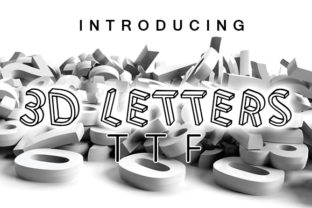
If you're looking to make your next design pop with visual flair and a touch of fun, 3D Letters could be the perfect choice. This stunning linear font features a bold, three-dimensional comic-style look that instantly grabs attention. Whether you're designing posters, banners, t-shirts, or flyers, 3D Letters brings a unique dimensionality to text without overwhelming the overall aesthetic.
What Makes 3D Letters Stand Out?
At first glance, 3D Letters might remind you of those vibrant, blocky fonts used in classic comic books — but with a modern twist. The letters appear as if they've been lifted from a flat page into a stylized 3D space, giving them depth while maintaining clean lines and readability. This balance between whimsy and clarity is what makes it so versatile.
Real-World Applications for 3D Letters
- Event Posters: Think about a music festival, birthday party, or product launch. Using 3D Letters can give your poster a dynamic feel that matches the excitement of the event. It’s especially effective when paired with bright colors or gradients.
- Banners and Signage: If you’re promoting a sale at a local store or creating directional signs for a venue, 3D Letters ensures your message is seen and remembered. Its strong presence works well in both indoor and outdoor environments.
- T-Shirt Designs: Graphic tees often rely on typography to communicate a vibe or slogan. 3D Letters adds a playful yet professional edge, ideal for brands targeting a younger demographic or wanting to inject some personality into their apparel line.
- Marketing Flyers: When trying to catch someone's eye while walking down the street, a simple sans-serif font may not do the trick. 3D Letters offers a visually engaging option that helps your flyer stand out among the clutter.
- Digital Content: From YouTube thumbnails to Instagram posts, using 3D Letters online can increase engagement by making your content more memorable and visually appealing.
Who Can Benefit from Using 3D Letters?
The beauty of 3D Letters lies in its broad appeal across different industries and user types. Here are just a few examples of how various professionals and creators might find value in this font:
Creative Designers
Graphic designers working on promotional materials often need fonts that are both striking and adaptable. With 3D Letters, they can craft designs that feel energetic and fresh. For instance, a designer working on a summer concert lineup might use this font to highlight headliners, adding a sense of motion and vibrancy to the layout.
Small Business Owners
Entrepreneurs who don’t have access to high-end design tools can still create impressive marketing materials by using 3D Letters. A bakery owner launching a new cupcake flavor line, for example, could print flyers with the name of the flavor in 3D Letters to draw customers in. The font’s boldness works particularly well for short, punchy phrases like "Vanilla Victory" or "Chocolate Chaos."
Freelancers and Artists
For freelance illustrators or artists selling prints, using 3D Letters in titles or captions can enhance the visual storytelling aspect of their work. Imagine an artist showcasing a series called “Dreamscapes” — the title in 3D Letters would immediately set the tone and attract curious viewers.
Education and Training Materials
Instructors or educators designing infographics or presentation slides can benefit from the clarity and impact of 3D Letters. While it's not suitable for long paragraphs, it shines when used for headings or key takeaways. For example, a workshop titled “Unlock Your Potential” in 3D Letters could serve as a powerful visual hook.
Considerations Before Using 3D Letters
Before diving into a design project with 3D Letters, there are a few things to keep in mind to ensure it enhances rather than hinders your message:
- Readability: While the 3D effect is eye-catching, it’s important to test how legible the font is at different sizes. Avoid using it for body text where clarity is essential.
- Color Contrast: Because of its bold structure, 3D Letters benefits from strong color contrast. Dark letters on a light background or vice versa will help maintain visibility.
- Background Complexity: Pairing this font with busy or intricate backgrounds might reduce its effectiveness. Keep the backdrop simple to let the text shine.
- Use in Moderation: Like any bold font, overusing 3D Letters can dilute its impact. Save it for headlines or key messages where it can really stand out.
- File Format Compatibility: Ensure the font file format (such as .OTF or .TTF) is supported by your design software or platform, especially if you're working online or across multiple devices.
Strengths and Limitations of 3D Letters
Every font has its pros and cons, and 3D Letters is no exception. Let’s break it down:
Strengths
- High Visual Impact: The 3D style of this font makes it excellent for grabbing attention in both digital and print formats.
- Versatile Across Industries: Whether you're in entertainment, retail, education, or creative arts, 3D Letters can adapt to fit your branding needs.
- Easy to Customize: Thanks to its clean linear design, you can easily modify the font with shadows, outlines, or color overlays to match your brand identity or campaign theme.
- Print-Friendly: Despite its digital origins, 3D Letters holds up well in print due to its structured geometry and lack of fine detail.
Potential Limitations
- Limited Character Set: Some users may find that the font doesn't include all special characters or symbols, which can be a problem for international projects or technical documents.
- Not Ideal for Long Text: As mentioned earlier, 3D Letters is best suited for short, impactful text rather than large blocks of copy.
- May Not Suit Formal Contexts: The comic-style appearance of the font might clash with more traditional or corporate aesthetics. Use it wisely depending on your audience and purpose.
How to Make the Most of 3D Letters
To get the most out of 3D Letters, consider these practical tips:
- Pair with Complementary Fonts: Use a simpler, more subdued font for supporting text to create a balanced hierarchy. For example, pair 3D Letters with a clean sans-serif like Montserrat for subheadings or body copy.
- Experiment with Effects: Try subtle effects like drop shadows, gradients, or outlines to enhance the 3D illusion even further. These tweaks can make your design feel more polished and professional.
- Test Different Sizes: Before finalizing your design, check how the font looks at various sizes. You want it to remain readable and aesthetically pleasing whether it's on a billboard or a social media post.
- Stay Consistent: If you're using 3D Letters in a series of related materials (like a poster, flyer, and website banner), maintain consistency in spacing, alignment, and styling to build a cohesive brand image.
Where to Find and Use 3D Letters
3D Letters is typically available through font marketplaces such as Google Fonts, Adobe Fonts, or independent platforms like Creative Market or Envato Elements. Always verify licensing terms before downloading, especially if you plan to use it for commercial purposes.
Once you’ve added it to your design toolkit, here are a few common ways to apply it:
- Adobe Photoshop: Import the font and use layer styles to add lighting or shadow effects that play off the 3D nature of the typeface.
- Canva: If you prefer drag-and-drop design, upload the font to Canva and experiment with templates to see how it fits within existing layouts.
- Illustrator: Take full advantage of vector capabilities to scale and manipulate each letter for maximum visual effect.
- Web Projects: Embed the font using CSS for websites or landing pages where you want a strong typographic statement.
Observations from Real Projects
Many designers have shared their experiences using 3D Letters in real-world settings. One notable example comes from a boutique fitness studio that redesigned their promotional materials using this font. They found that clients were more likely to engage with their flyers and social media posts because the text felt lively and modern.
Another case involves a children’s book illustrator who used 3D Letters for chapter titles and character names. The font helped reinforce the playful tone of the story while ensuring each section was easy to navigate for young readers.
In the world of e-commerce, a fashion brand successfully integrated 3D Letters into their holiday campaign. By using the font for sale titles and product highlights, they reported a noticeable increase in click-through rates and customer interaction with the content.
Final Thoughts on Practical Usage
When applied thoughtfully, 3D Letters can elevate your designs from ordinary to extraordinary. It’s a font that doesn’t shout but commands attention with its dimensional charm. Just remember to use it where it matters most — in headlines, logos, and other focal points — and complement it with simpler fonts for the rest of the text.
Its comic-inspired look makes it especially popular in youth-oriented markets, but it also finds a home in edgy lifestyle brands, gaming communities, and educational visuals that aim to spark interest and curiosity.
As with any design element, the key is knowing your audience and understanding the context in which your design will be viewed. 3D Letters is a powerful tool, but like all tools, it works best when used with intention and creativity.